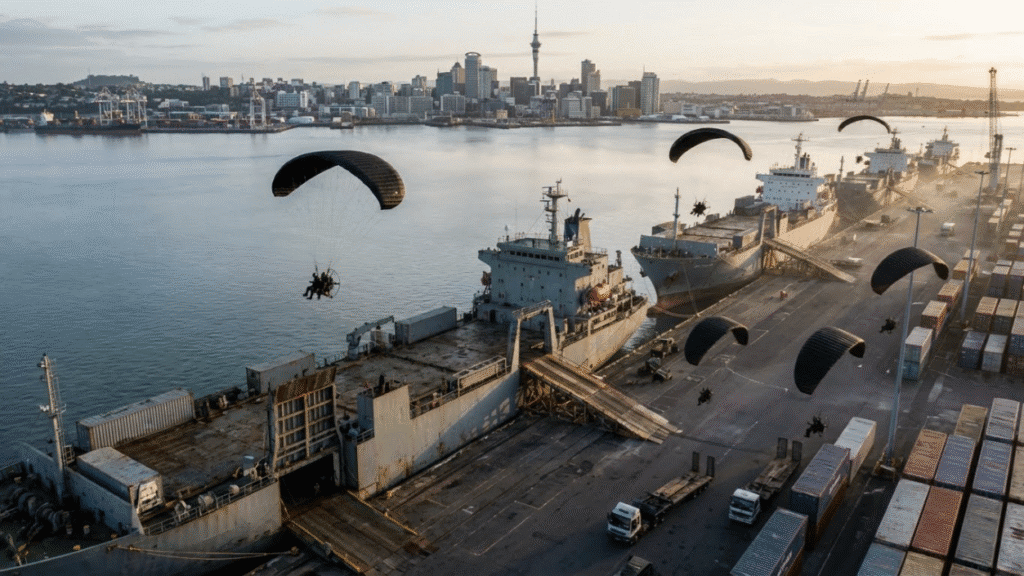
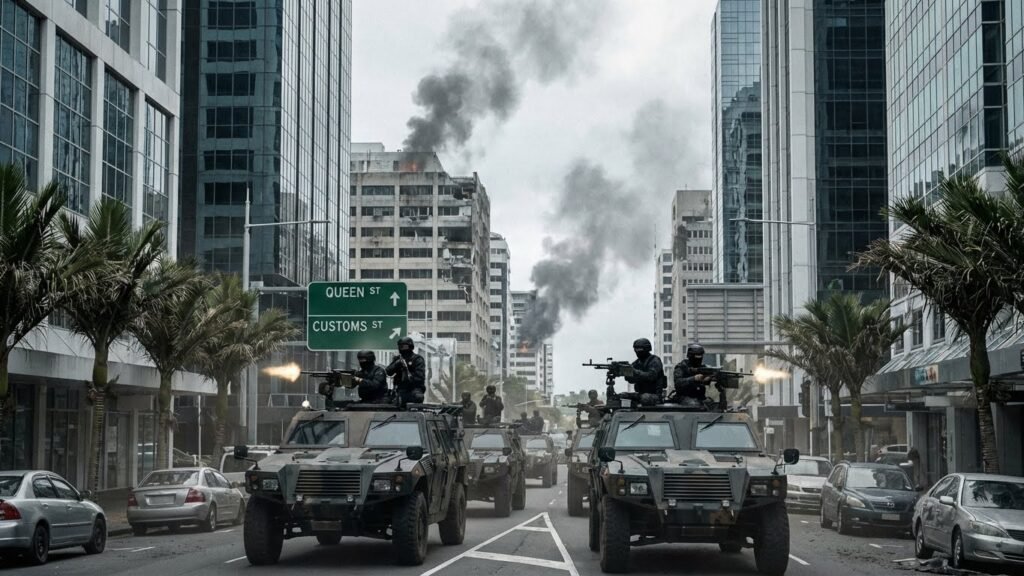
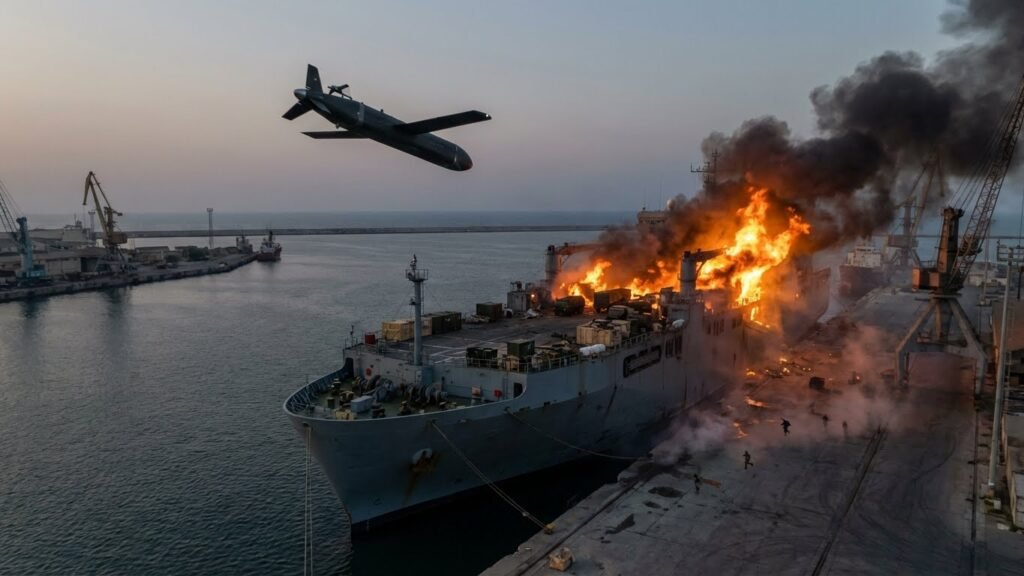
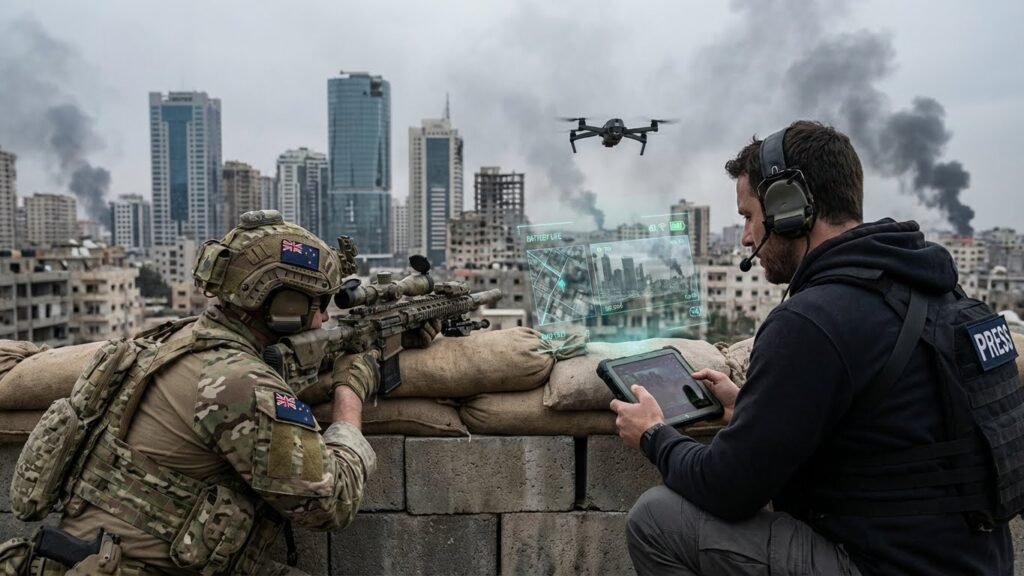
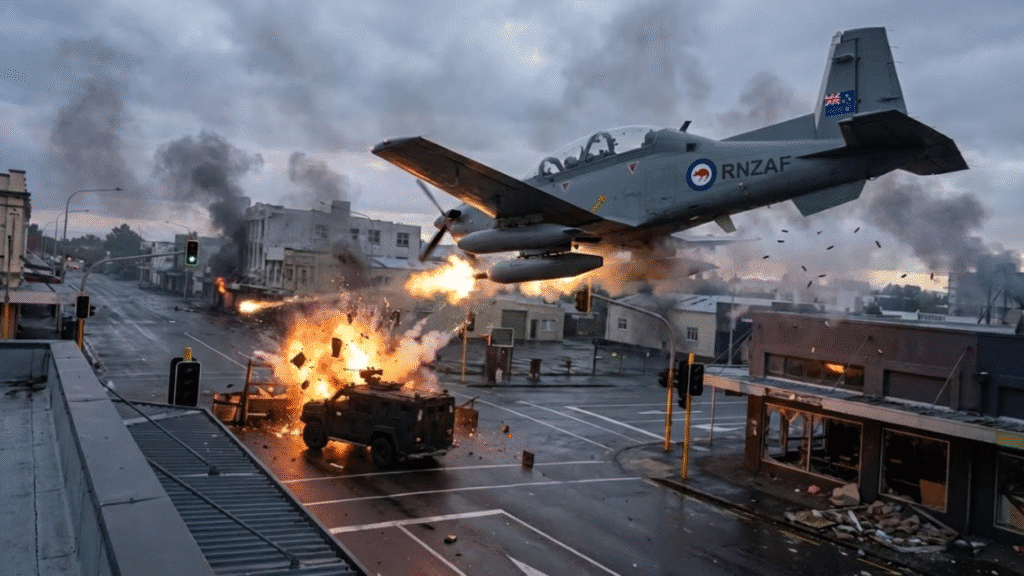
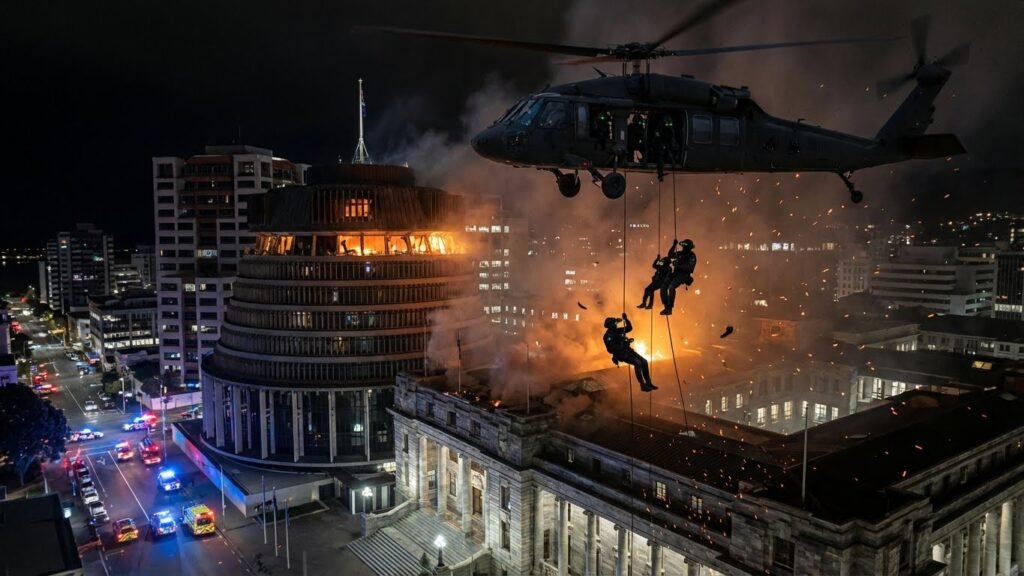
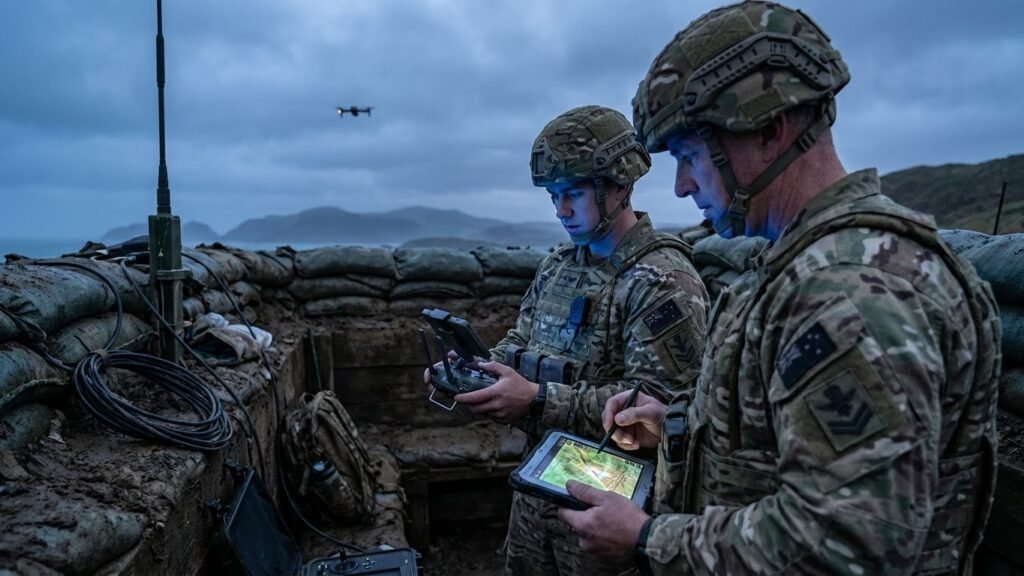
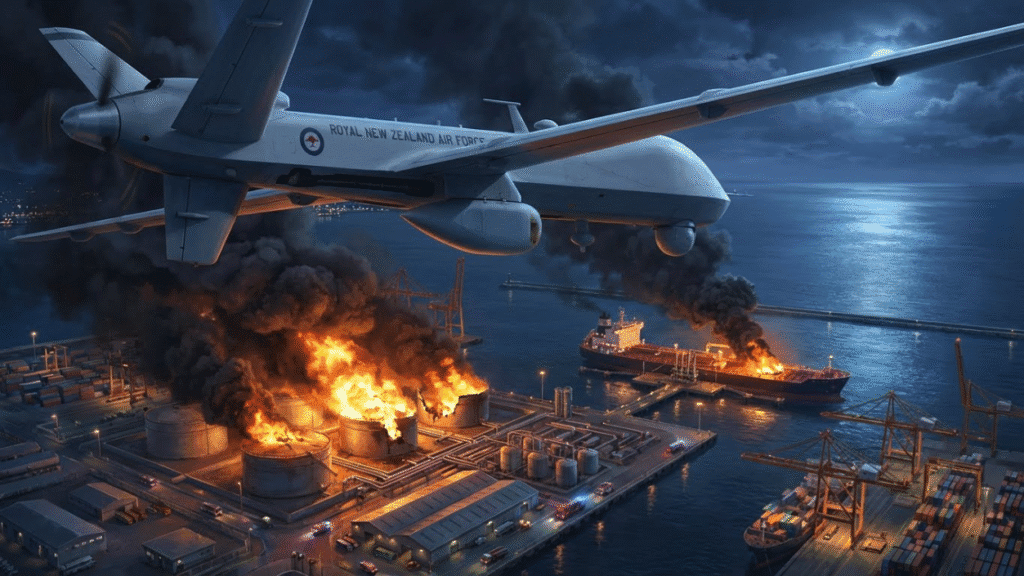
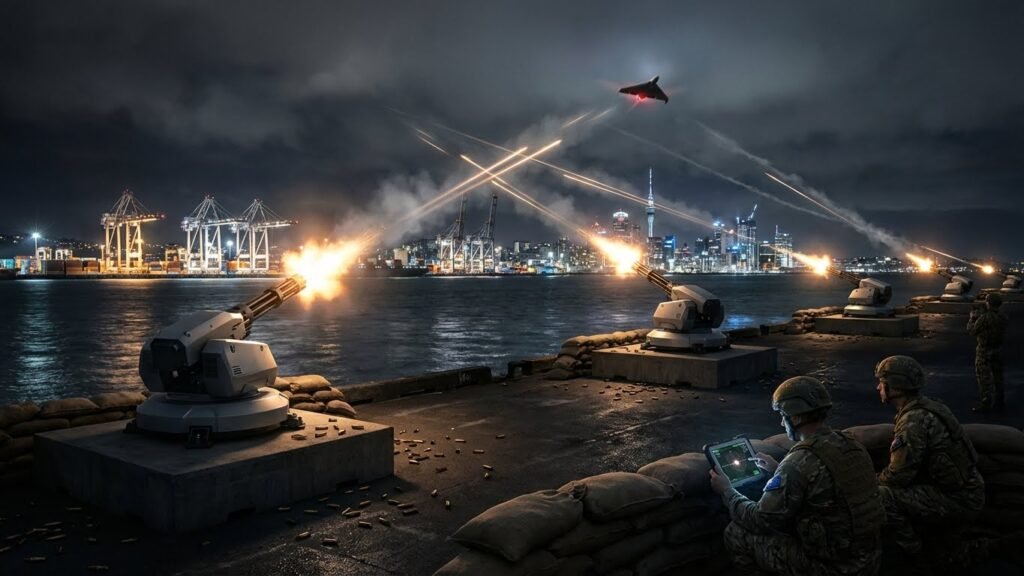
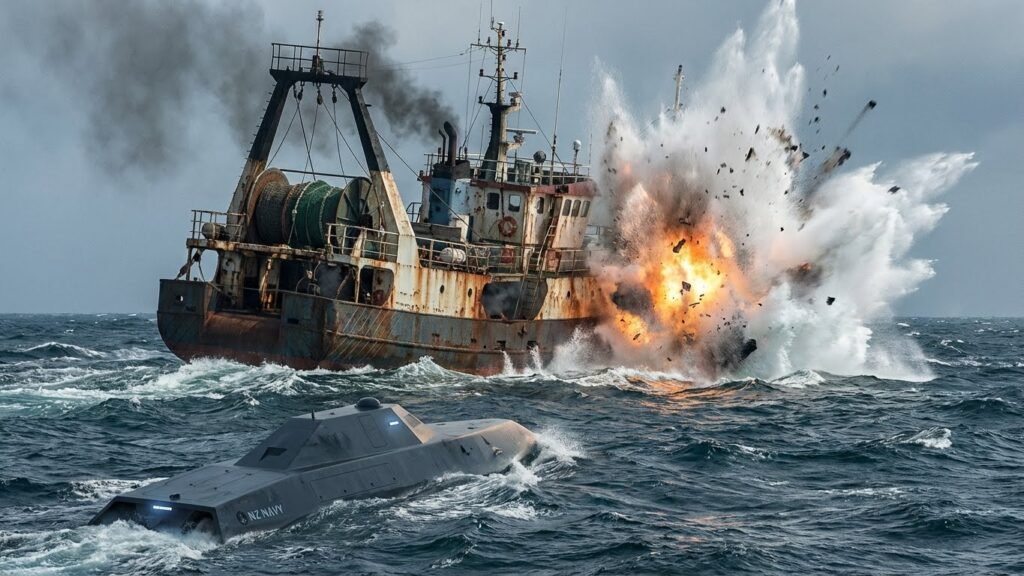
Technological progress has given the vulgar and despicable the ability to alter the destinies of ordinary and kind-hearted people. We must identify them before they act and take preemptive measures.

NEW ZEALAND THREAT LANDSCAPE 2026

Security pressure rarely arrives in a single form.
Strategic competition, economic coercion, cyber disruption, foreign interference and social fragmentation can reinforce one another.

NZWAR separates observable risks from assessment.
The purpose of this page is not to predict a specific conflict, but to identify the pressures that could reduce New Zealand’s freedom of action, resilience and national security.

OFFICIAL CONTEXT OBSERVED RISK EMERGING NZWAR ASSESSMENT
01
GEOPOLITICAL

Strategic Competition

Major-power competition, alliance pressure and the risk of regional conflict affecting New Zealand.

Alignment Conflict
02
SYSTEMIC

Economic & Infrastructure

Exposure created by trade dependence, cyber disruption, communications and critical infrastructure vulnerabilities.

Economic Cyber
03
INFORMATIONAL

Influence & Interference

Pressure on public debate, institutions and decision-making through overt or covert external influence.

Influence Interference
04
DOMESTIC RESILIENCE

Social Stability

Internal trust, cohesion and institutional resilience determine how well New Zealand absorbs external pressure.

Terrorism Cohesion
New Zealand positioned between competing geopolitical and strategic pressures in the Pacific
Strategic Alignment Pressure

DRIVER

Major-power competition and a changing Indo-Pacific security environment.

EXPOSURE

New Zealand relies simultaneously on security relationships, international institutions and extensive trade relationships across competing strategic blocs.

RISK

Growing confrontation between major powers could narrow New Zealand’s diplomatic choices and increase pressure to adopt positions that carry economic or security consequences.

NATIONAL IMPACT

  • Reduced strategic freedom of action
  • Diplomatic and trade pressure
  • Greater defence commitments
  • Increased domestic political division over foreign policy

RESILIENCE

  • Diversified diplomatic relationships
  • Strong regional institutions
  • Independent national security assessment
  • Greater sovereign defence capability
STATUS OBSERVED RISK
Commercial shipping and naval activity illustrating regional conflict and maritime access risks
Regional Conflict & Strategic Access

DRIVER

Military confrontation or prolonged crisis in the wider Indo-Pacific.

EXPOSURE

New Zealand is geographically remote but depends heavily on maritime trade, aviation links, fuel imports and communications infrastructure.

RISK

A major regional conflict could disrupt access to shipping routes, air routes, offshore infrastructure and Pacific partners even without direct conflict on New Zealand territory.

NATIONAL IMPACT

  • Shipping disruption
  • Fuel and goods shortages
  • Pacific security commitments
  • Pressure on ports and logistics
  • Increased military readiness requirements

RESILIENCE

  • Regional defence cooperation
  • Maritime domain awareness
  • Strategic stockpiles
  • Mobilisation planning
  • Allied interoperability
STATUS CONTINGENCY / NZWAR ASSESSMENT
Police and emergency services responding to a security incident at a New Zealand transport hub
Terrorism & Violent Extremism

DRIVER

Ideologically motivated violent extremism, transnational extremist networks and self-radicalisation.

EXPOSURE

Public gatherings, institutions, transport networks and digitally connected communities.

RISK

A small number of individuals can create disproportionate human, social and political consequences.

NATIONAL IMPACT

  • Loss of life
  • Community fear
  • Social polarisation
  • Pressure on policing and intelligence
  • Retaliatory or copycat behaviour

RESILIENCE

  • Intelligence cooperation
  • Community engagement
  • Protective security
  • Emergency preparedness
  • Prevention and early intervention
STATUS OBSERVED RISK
New Zealand container port illustrating trade dependence and supply chain vulnerability
Economic Coercion & Supply Dependence

DRIVER

Trade concentration, geopolitical confrontation, sanctions, supply disruption or coercive economic measures.

EXPOSURE

New Zealand is a small trading economy dependent on international shipping, imported manufactured goods, fuel, technology and external markets.

RISK

Commercial dependence can become a strategic vulnerability when access to markets, goods or technology is disrupted.

NATIONAL IMPACT

  • Export losses
  • Supply shortages
  • Inflation
  • Industrial disruption
  • Reduced strategic freedom

RESILIENCE

  • Market diversification
  • Strategic inventories
  • Domestic production capability
  • Alternative logistics
  • Investment screening
STATUS OBSERVED RISK
New Zealand media and public information environment illustrating foreign influence and information manipulation
Foreign Influence & Information Manipulation

DRIVER

Foreign states, aligned organisations, covert networks, commercial actors or coordinated information campaigns.

EXPOSURE

Open media systems, social platforms, political debate and public institutions.

RISK

External actors may attempt to distort public understanding, amplify divisions or covertly influence political and strategic decisions.

NATIONAL IMPACT

  • Reduced trust
  • Political polarisation
  • Manipulated public debate
  • Pressure on diaspora communities
  • Distorted strategic decision-making

RESILIENCE

  • Foreign-interference transparency
  • Political finance safeguards
  • Media literacy
  • Independent journalism
  • Attribution and public disclosure
STATUS OBSERVED / EMERGING
Cyber, infrastructure and national security risks facing New Zealand
Cyber & Connectivity Disruption

DRIVER

State actors, criminal groups, proxy organisations, accidents and infrastructure failures.

EXPOSURE

Government networks, banking, cloud services, telecommunications, satellites and subsea cables.

RISK

Digital disruption can affect essential services far beyond the compromised system itself.

NATIONAL IMPACT

  • Payment interruption
  • Government disruption
  • Communications loss
  • Logistics failure
  • Public confidence shock

RESILIENCE

  • Network redundancy
  • Cyber defence
  • Backup communications
  • Critical infrastructure exercises
  • Recovery capability
STATUS OBSERVED RISK
People in a New Zealand civic space illustrating social cohesion and internal fragmentation
Social Cohesion & Internal Fragmentation

DRIVER

Economic insecurity, distrust, polarisation, unequal opportunity and persistent social grievances.

EXPOSURE

Low institutional trust makes societies more vulnerable to misinformation, extremism and external manipulation.

RISK

Internal division can reduce the ability of government and communities to respond coherently during national emergencies.

NATIONAL IMPACT

  • Political fragmentation
  • Public disorder
  • Lower institutional trust
  • Reduced crisis cooperation
  • Greater vulnerability to manipulation

RESILIENCE

  • Institutional transparency
  • Economic opportunity
  • Community participation
  • Civic education
  • Trusted emergency communication
STATUS STRUCTURAL RISK
New Zealand institutions connected by opaque networks illustrating foreign interference and institutional influence
Institutional Penetration & Coercive Networks

DRIVER

Foreign states or aligned organisations seeking durable political, economic or institutional influence.

EXPOSURE

Political organisations, research institutions, businesses, community organisations and strategically important sectors.

RISK

Opaque relationships or coercive networks may gradually distort decisions without requiring overt confrontation.

NATIONAL IMPACT

  • Hidden conflicts of interest
  • Policy distortion
  • Community coercion
  • Strategic dependency
  • Reduced institutional independence

RESILIENCE

  • Transparency requirements
  • Foreign-interference legislation
  • Political finance disclosure
  • Institutional security awareness
  • Independent oversight
STATUS NZWAR ASSESSMENT
WHEN PRESSURE BECOMES ESCALATION

Threats Rarely Arrive Alone

A national crisis is rarely created by one threat in isolation. The greater danger comes when multiple pressures interact, reducing decision time and narrowing available options.

01 ECONOMIC PRESSURE
02 INFORMATION PRESSURE
03 CYBER DISRUPTION
04 SOCIAL STRESS
05 SECURITY ESCALATION
RELATED NZWAR
Continue the analysis