NEW ZEALAND. WORTH DEFENDING.

Security is not about expecting war. It is about preserving choices before a crisis removes them.

WHAT NZWAR EXAMINES

Understanding Risk Before It Becomes Crisis

NZWAR examines the pressures New Zealand may face, how crises can escalate, what capabilities matter, and how combat power can be sustained when normal support begins to fail.

NEW ZEALAND SECURITY LANDSCAPE

Security Pressure Does Not Arrive in a Single Form

New Zealand is geographically distant, but strategically connected. Military pressure, economic dependence, digital disruption, foreign influence and social stress can reinforce one another.

New Zealand security landscape showing maritime routes, communications, ports and strategic connections
01
GEOPOLITICAL

Strategic Competition

Major-power competition, alignment pressure and regional conflict can narrow New Zealand’s freedom of action.

Alignment Conflict
02
SYSTEMIC

Economic & Infrastructure Pressure

Trade dependence, cyber disruption and critical connectivity vulnerabilities can create strategic pressure without direct conflict.

Economic Cyber
03
INFORMATIONAL

Influence & Interference

External actors may attempt to shape public debate, institutions and strategic decision-making through overt or covert influence.

Influence Interference
04
DOMESTIC COHESION

Internal Stability

Social trust, cohesion and institutional confidence influence how effectively New Zealand can absorb and respond to external pressure.

Terrorism Cohesion
FROM PRESSURE TO ESCALATION

When Pressure Becomes Crisis

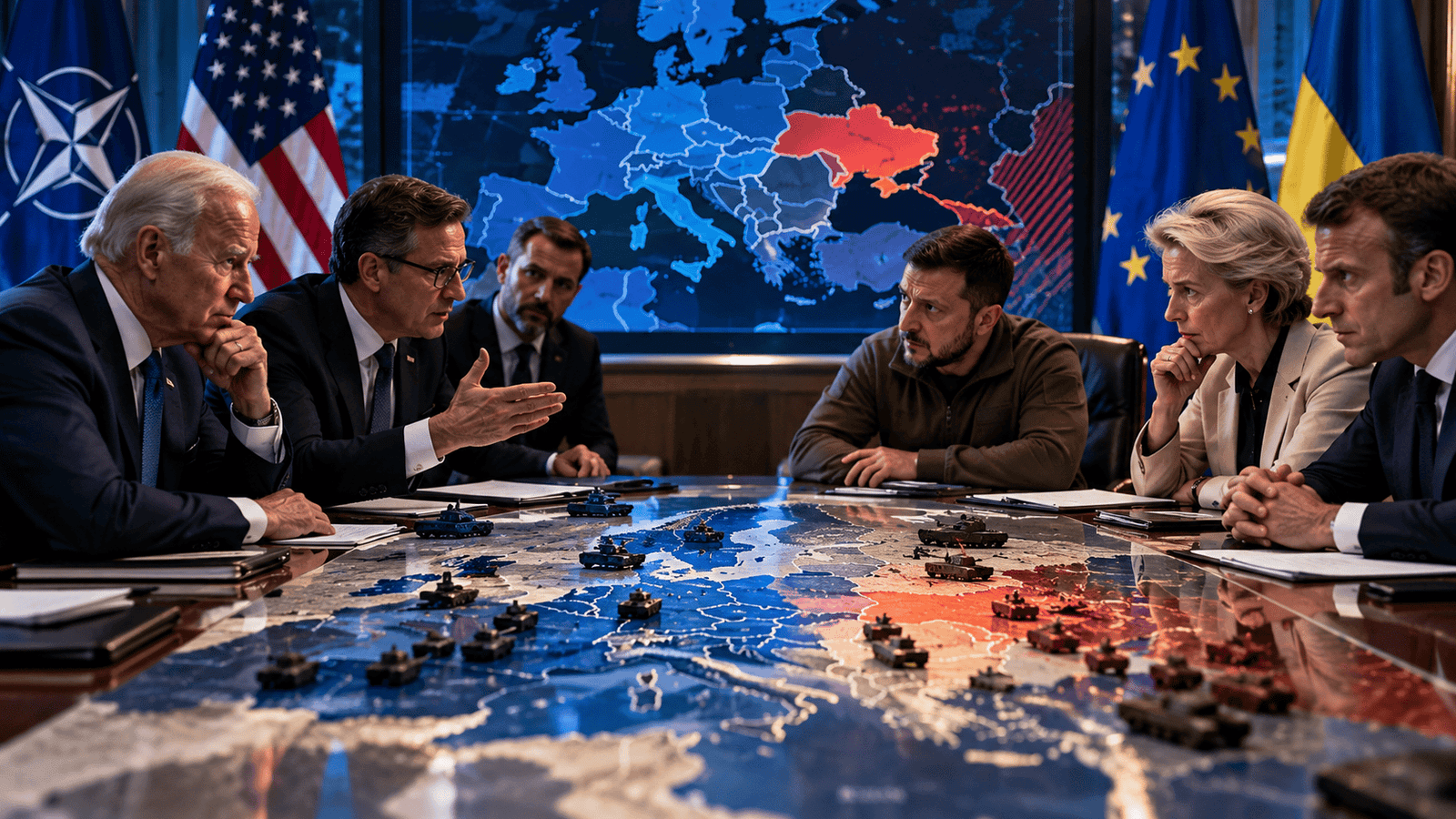
Threats matter most when they interact, compress decision time and force governments into increasingly costly choices. WARROOM explores how a crisis can move from pressure to confrontation — and what may follow.

01 EVENT

A trigger changes the strategic environment.

02 ESCALATION

Pressure increases and available choices begin to narrow.

03 RESPONSE

Political, economic and military decisions shape the next stage.

04 CONSEQUENCE

Each response creates costs, risks and new strategic conditions.

05 LESSON

What does the scenario reveal about preparedness and choice?

LEVEL 1 EXTORT

Coercion without open conflict.

LEVEL 2 SILENT WAR

Persistent pressure below the threshold of declared war.

LEVEL 3 FIGHT & BARGAIN

Limited fighting while political bargaining continues.

LEVEL 4 FULL-SCALE WAR

Open conflict with major national consequences.

FROM ASSESSMENT TO CAPABILITY

Build What Matters

Understanding risk is only the first step. New Zealand also needs defence capabilities that are affordable, sustainable, interoperable and suited to its geography, population and industrial base.

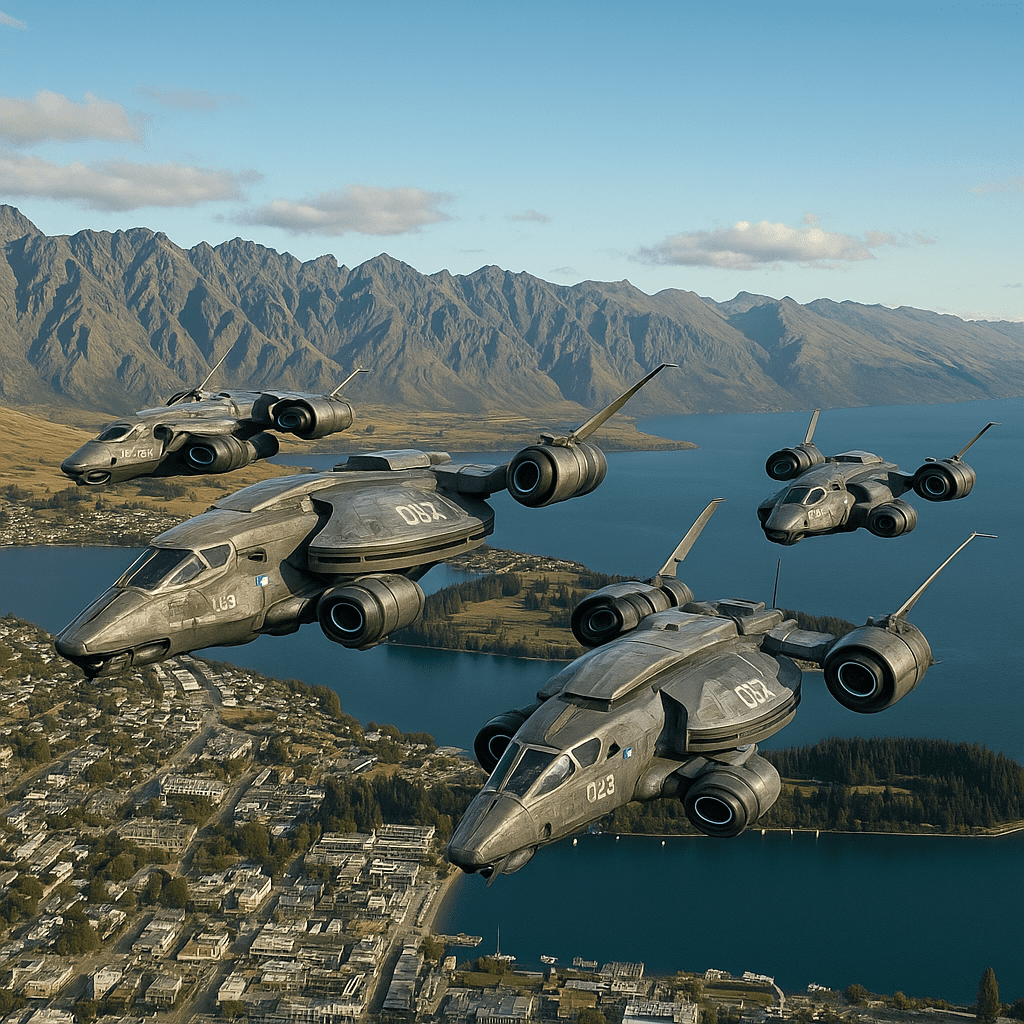
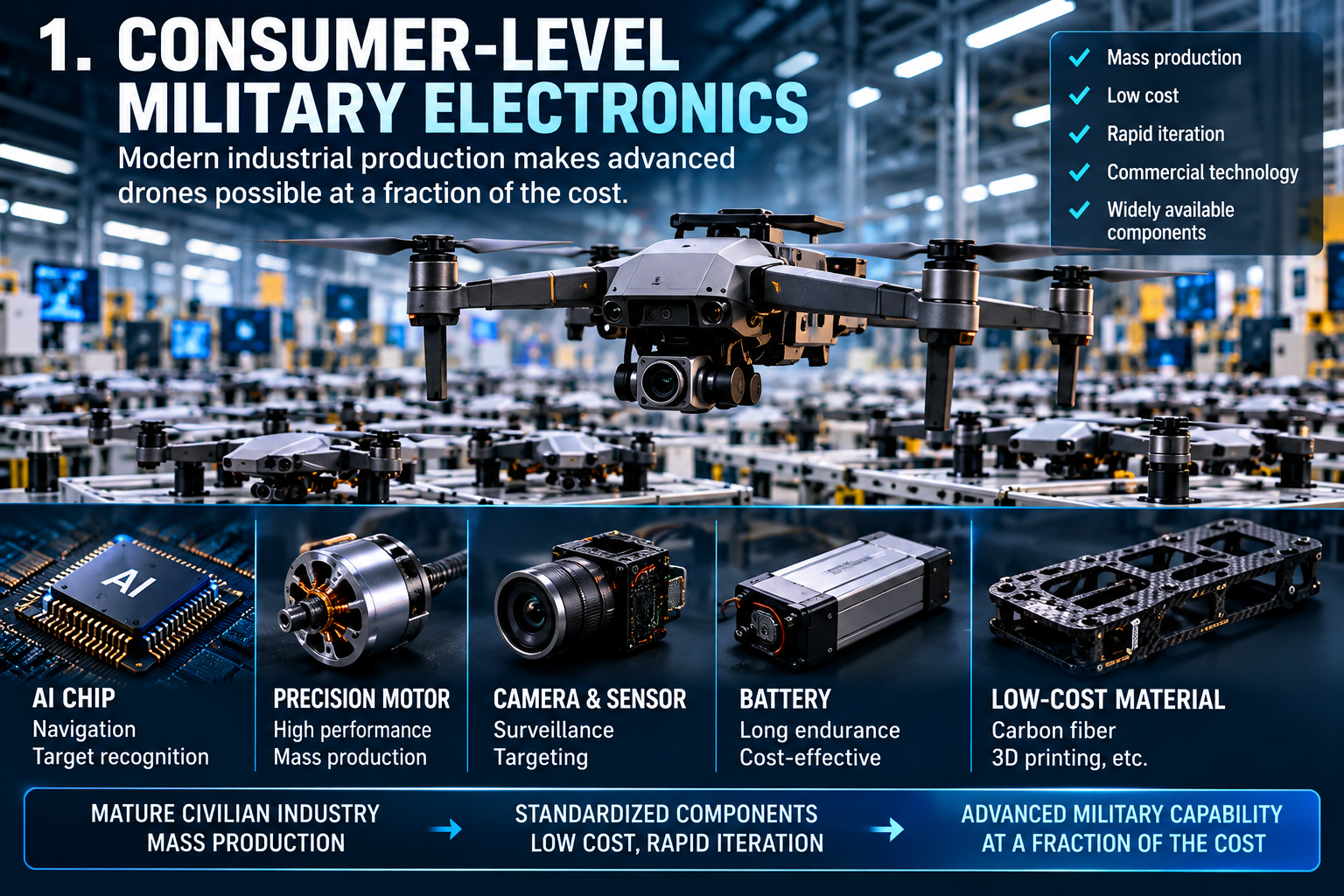
Integrated uncrewed defence systems operating across air, land and maritime domains in New Zealand
01 UAVSHIELD 2026

Uncrewed Defence

A layered approach to air, ground and maritime uncrewed systems, counter-uncrewed defence and the mission network that connects them.

Air Ground Maritime Counter-Uncrewed Mission Network
NZWAR FOCUS

Distributed systems can expand coverage, reduce dependence on a small number of high-value platforms and create more options for a small force.

EXPLORE UAVSHIELD
New Zealand defence capabilities across maritime, air and land domains
02 NZDF & FUTURE FORCES

Current & Future Capability

NZWAR tracks what is already in service, what has been approved or funded, and what capabilities may shape New Zealand’s future force.

IN SERVICE APPROVED / FUNDED INDICATIVE FUTURE
CAPABILITY QUESTION

The objective is not simply to acquire more equipment, but to identify which capabilities provide the greatest usable value for New Zealand.
VIEW FORCES
WAR SUSTAINMENT

Keep Fighting When Normal Support Fails

Resilience is not about keeping everything normal. It is about preserving enough combat capability to continue fighting when supply, replacement and support systems begin to fail.

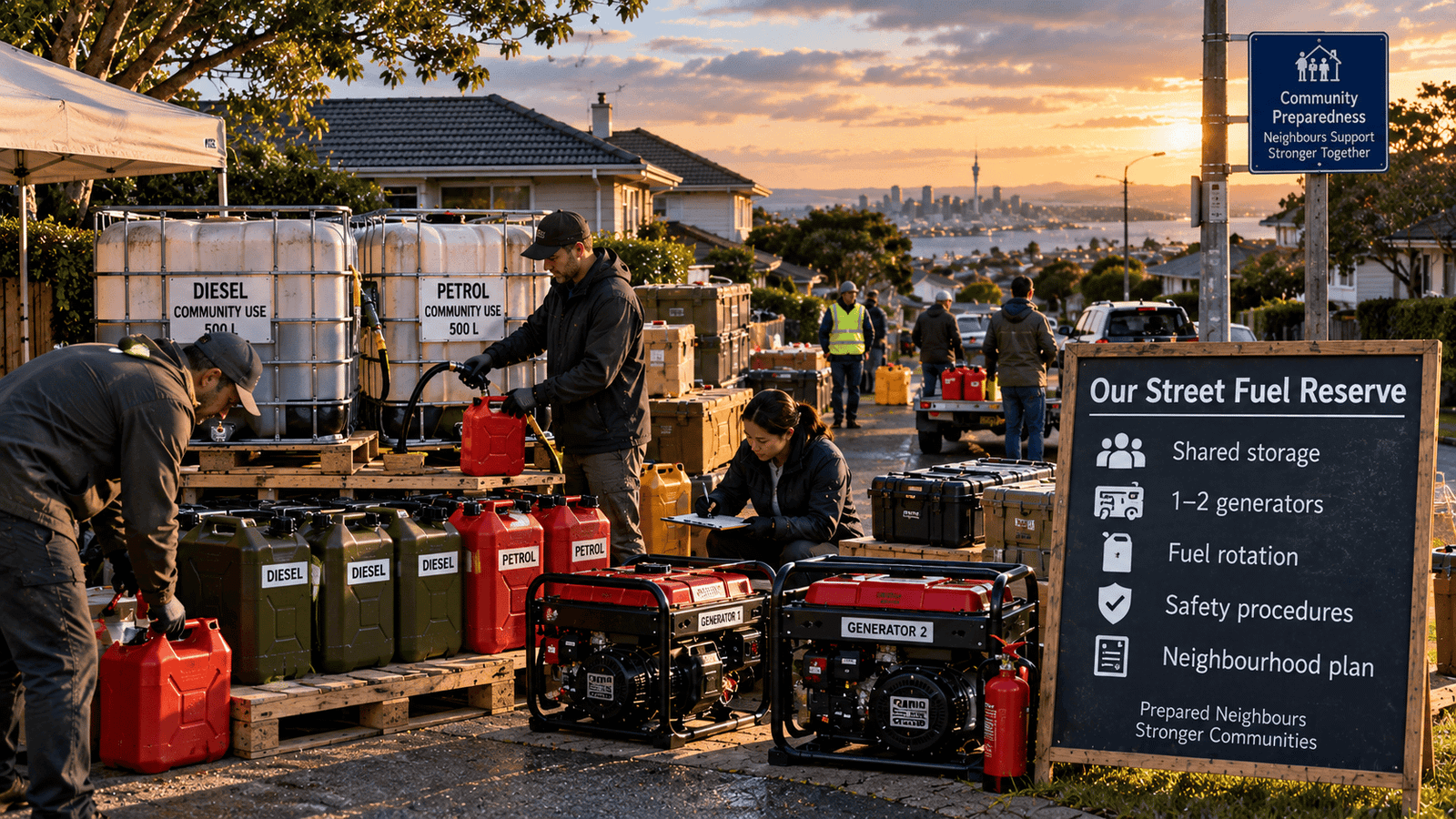
01 Fuel & Energy

Sustain vehicles, bases, communications and critical combat systems when normal fuel or power supply becomes unreliable.

02 Ammunition & Spares

Identify the consumables, components and replacement parts that can become decisive bottlenecks in a prolonged conflict.

03 Military Communications

Maintain command, coordination and information flow through satellite, radio, portable cellular and backup communication systems.

04 Repair & Recovery

Return damaged vehicles, sensors, communications equipment and uncrewed systems to usable condition as quickly as possible.

05 Military Logistics

Keep fuel, ammunition, personnel, equipment and repair parts moving to the units that still need them.

06 Reserve Skills

Draw on existing civilian skills that can reinforce aviation, transport, maintenance, medical and technical support.

07 Capability Fit

Which defence capabilities provide the greatest usable combat value for New Zealand’s geography, population, budget and industrial base?

HOW NZWAR READS DEFENCE INFORMATION

Facts, Status and Assessment Are Different

NZWAR separates confirmed capability, funded programmes, emerging directions and independent assessment so that readers can see what is official — and what is analysis.

IN SERVICE

Already Operating

Equipment, systems or capabilities confirmed as currently in service.

APPROVED / FUNDED

Committed Capability

Projects that have received approval, funding or a clear implementation commitment.

INDICATIVE

Direction, Not Certainty

Officially signalled intentions or planning directions that are not yet final.

MARKET RESEARCH

Capability Exploration

Areas where agencies are examining options, suppliers or possible future requirements.

FUTURE

Potential Development

Capabilities that may become relevant but are not yet confirmed programmes.

NZWAR ASSESSMENT

Independent Analysis

NZWAR interpretation, comparison or judgement based on available evidence.

OFFICIAL DEFENCE RESOURCES

Go to the Official Sources

NZWAR provides independent analysis. For official information about the New Zealand Defence Force and defence careers, use the official government resources below.

GET IN TOUCH

Questions, corrections, research suggestions or relevant information are welcome. NZWAR reviews messages as time allows.

New Zealand NZWAR Website Update: Better Access, More Practical Resources

NZWAR has completed a new website update with improved research access and practical downloadable resources…
NZWAR New Zealand defence preparedness and resilience

First time”, the Ukrainian side used an unmanned underwater vehicle to damage a Russian Navy submarine

The Ukrainian Security Service said on the 15th that for the “first time”, the Ukrainian…

Mourning the victims of the terrorist attack in Australia

The blood on the Australian beaches tells us that when savagery raises its butcher’s knife…
NZWAR 2026

New Zealand Is Distant. It Is Not Isolated.

Geography once provided a degree of protection. In an era of cyber disruption, long-range systems, global supply chains and strategic competition, distance no longer guarantees security.

01 UNDERSTAND

Recognise the pressures before they become crises.

02 SIMULATE

Explore how escalation changes choices and consequences.

03 BUILD

Develop capabilities that actually fit New Zealand.

04 KEEP FIGHTING

Preserve combat capability when normal support begins to fail.

Preparation is not about expecting war. It is about preserving choices before a crisis removes them.