
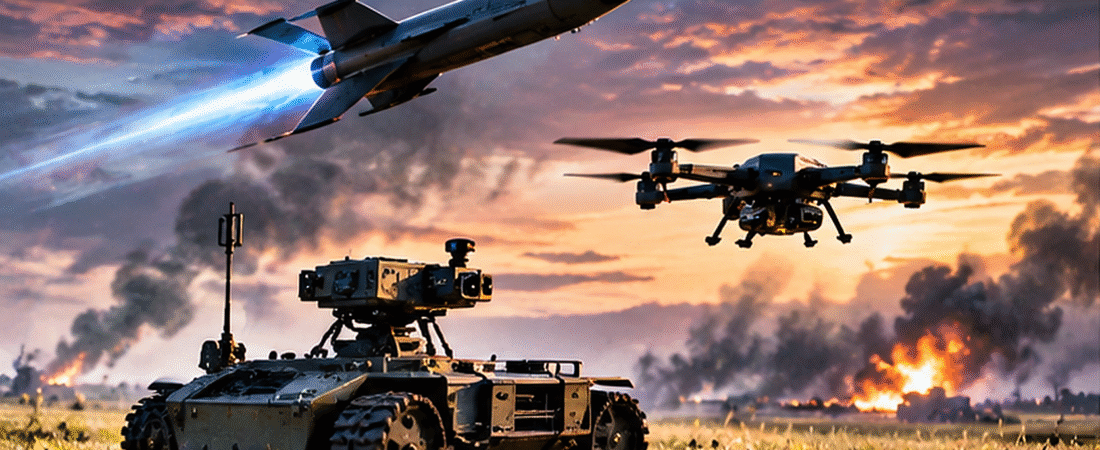
Technological superiority in warfare is never permanent.
In modern warfare, military innovation is increasingly defined by how quickly new technologies can be developed, tested, deployed and improved in response to battlefield conditions.
A new weapon may change the balance between attack and defence within a short period. But the opposing side will quickly study its characteristics, adjust its tactics, develop countermeasures, and expand the production of relevant equipment.
The Russia–Ukraine war has repeatedly demonstrated this process.
Ukraine’s rapid expansion in drone production and deployment placed enormous pressure on Russian defensive systems. Russia, in turn, has continued improving its drones, electronic warfare capabilities, and other military technologies in an effort to regain the advantage. As Russia introduces new types of drones, Ukraine must develop new methods of detection, interception, and defence.
This continuous cycle of adaptation demonstrates that the real question is not whether a particular weapon is temporarily difficult to intercept, but how quickly each side can complete the next round of technological development.
Technological Innovation and Military Innovation Beyond Individual Weapons
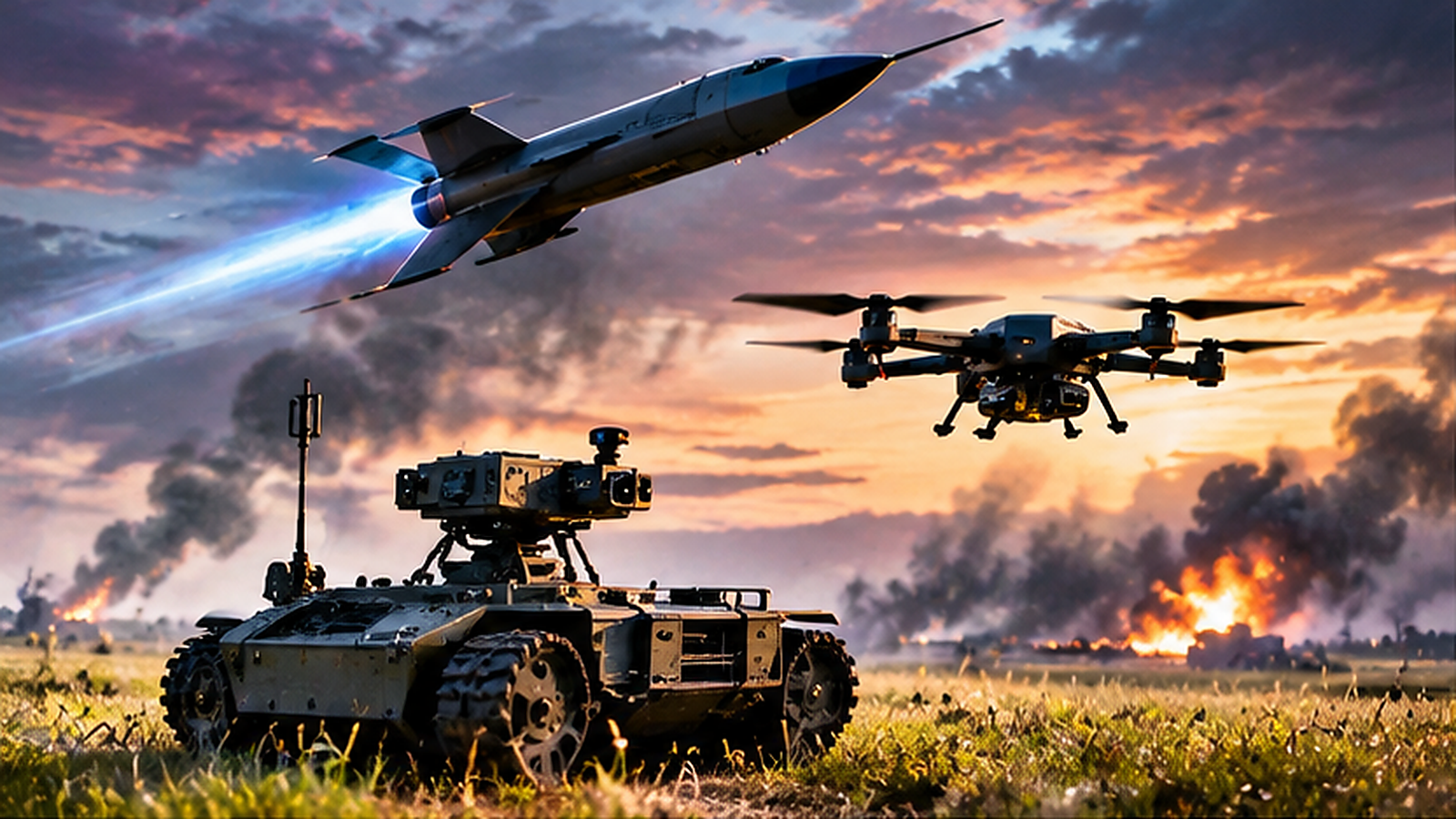
Ukraine’s experience with drones demonstrates that wartime technological innovation is not simply about developing more advanced weapons. It is also about transforming how an entire military operates.
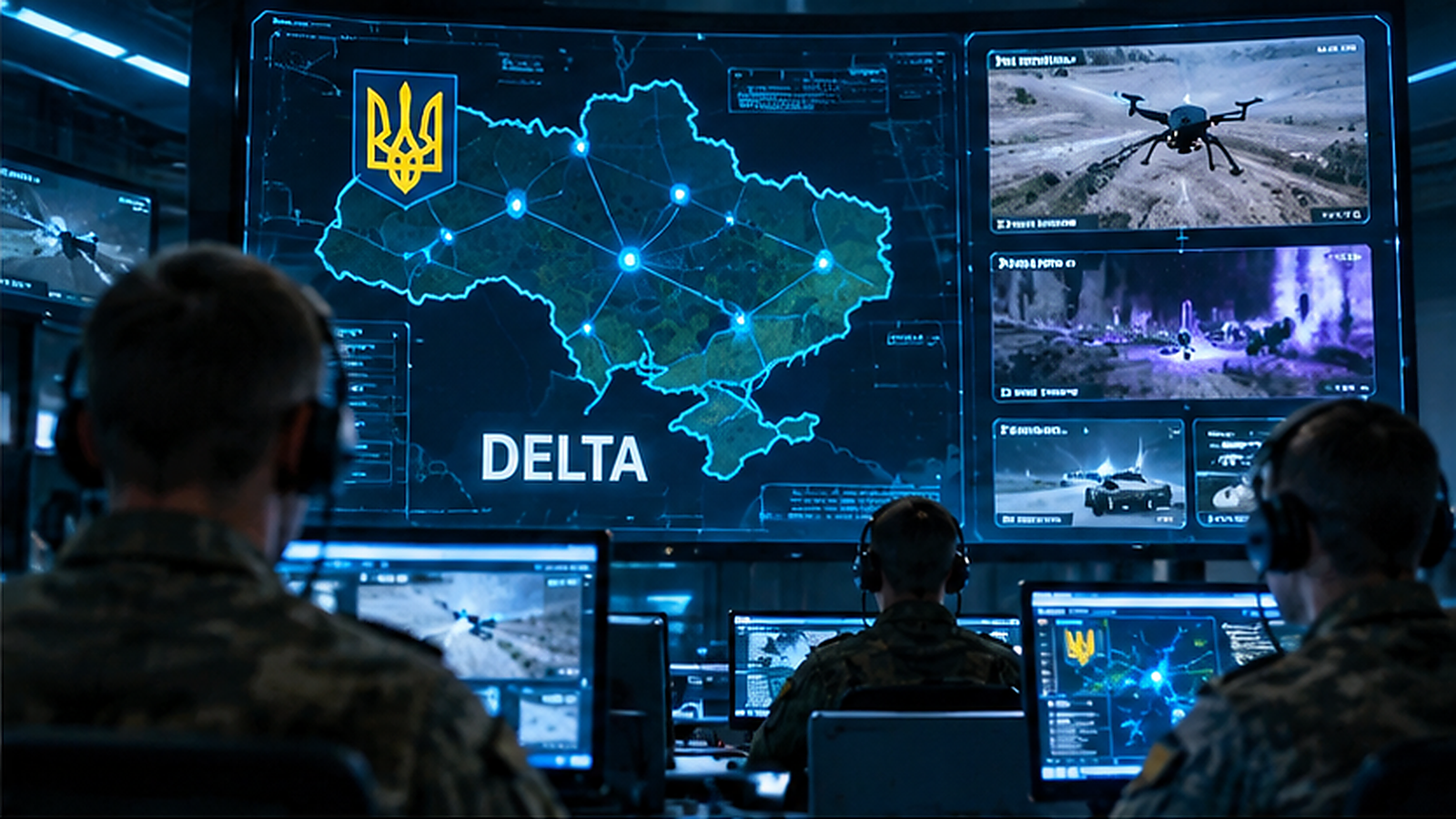
From frontline units using drones for reconnaissance and attacks, to the expansion of dedicated drone formations, and then to the integration of systems such as DELTA for sharing battlefield information and coordinating operations, drones are becoming part of a much broader command-and-combat structure.
Unmanned ground vehicles are also beginning to perform transportation, logistical support, and casualty evacuation missions.
In the future, as technology and carrying capacity improve, unmanned systems may take on additional responsibilities, including transporting heavier military equipment and providing other forms of battlefield support.
This means technological innovation is expanding beyond individual weapons into reconnaissance, communications, command, combat operations, transportation, and logistics.
Real progress is not simply having more drones. It is the ability to rapidly integrate evolving technologies into the operational capabilities of an entire military.
The Speed of Technological Innovation Depends on Resources
Every technology requires research, testing, production, and deployment.
Identifying a problem on the battlefield does not mean a solution can be delivered the following day. Solutions require engineers, industrial capacity, component supplies, funding, and continuous battlefield feedback.
Ukraine’s technological development depends not only on its domestic research and manufacturing capabilities but also on financial, technological, equipment, and supply-chain support from Europe and other international partners.
Russia is likewise using its domestic industrial system, external supply chains, and battlefield experience to accelerate adjustments to its weapons and methods of warfare.
The competition, therefore, is not merely between the performance of existing weapons. It is also between the research systems, industrial production capabilities, and resource mobilisation capacities supporting each side.
A temporary technological advantage does not mean the opponent is incapable of catching up. The critical questions are whether sufficient resources are available and how quickly those resources can be converted into new battlefield capabilities.
The ability to sustain rapid innovation is also connected to the broader challenge of how democratic societies organise themselves for prolonged warfare.
The Potential Advantage of Democracies: Faster Innovation at Lower Cost
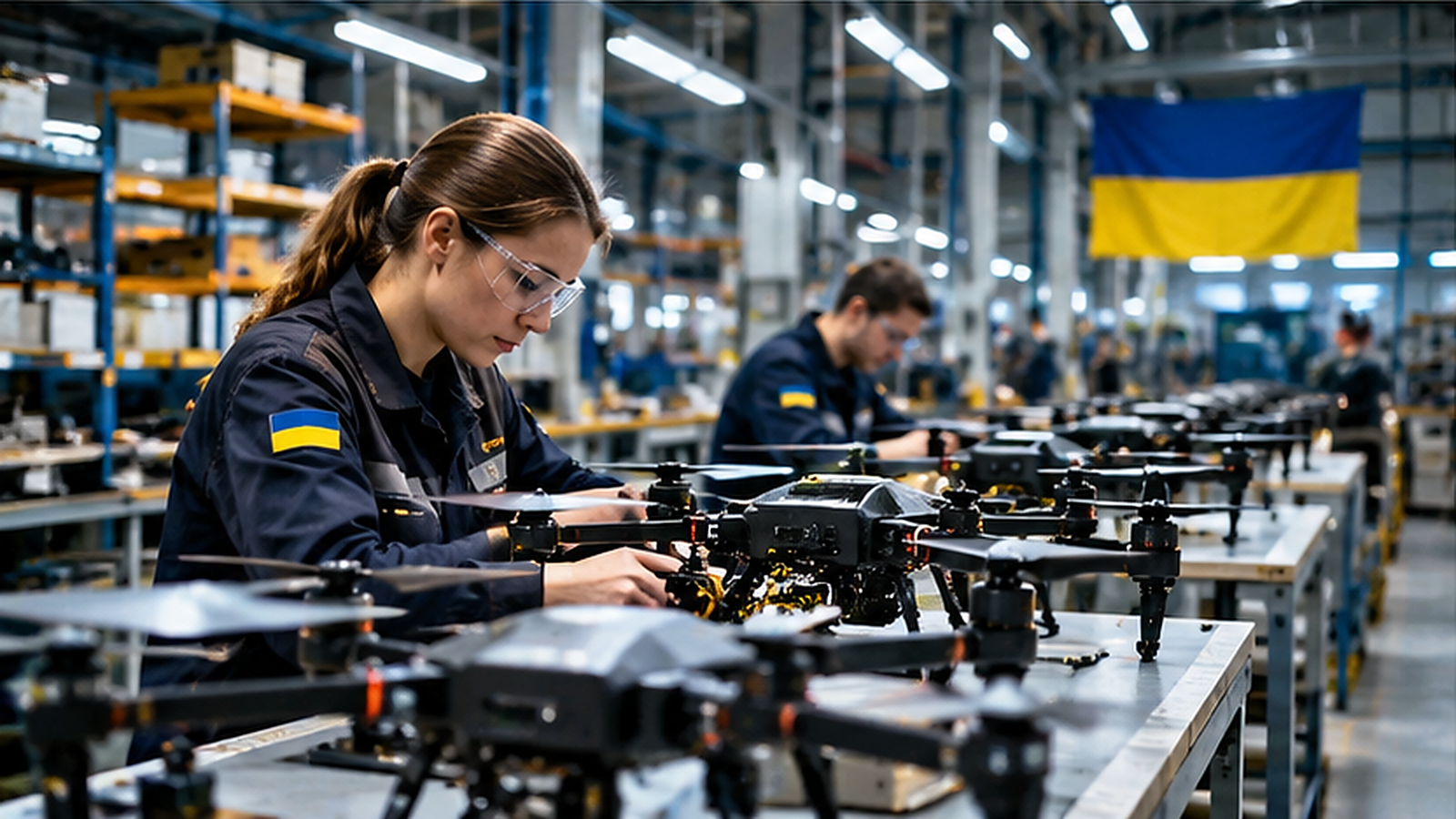
In a prolonged war, democratic countries may possess an often-overlooked competitive advantage: the efficiency of technological innovation generated by market competition and independent business decision-making.
In an economy where companies are free to conduct research, compete for contracts, and rapidly adjust production priorities, battlefield requirements do not necessarily have to pass through a large government bureaucracy before solutions can emerge.
A small technology company may identify a problem, develop a solution, and continuously improve its product based on direct feedback from military users.
By comparison, when research and resource allocation depend too heavily on centralised decision-making, a project that could otherwise be completed by a small business may require additional layers of approval, coordination, and resource allocation.
Centralised systems can mobilise enormous resources quickly for selected priorities. However, they may also produce duplicated investment, slower decisions, and an excessive concentration of innovation in a limited number of directions.
This does not mean every defence project in a democracy is cheaper, nor does it mean Russia operates entirely under a planned economy. The more meaningful comparison concerns the overall efficiency of different innovation mechanisms during a prolonged war.
If a country can enable large numbers of businesses to explore solutions simultaneously, use competition to identify effective technologies, and rapidly scale up successful products, even modest cost advantages at the individual project level may accumulate into substantial industrial and military advantages across thousands of projects over several years.
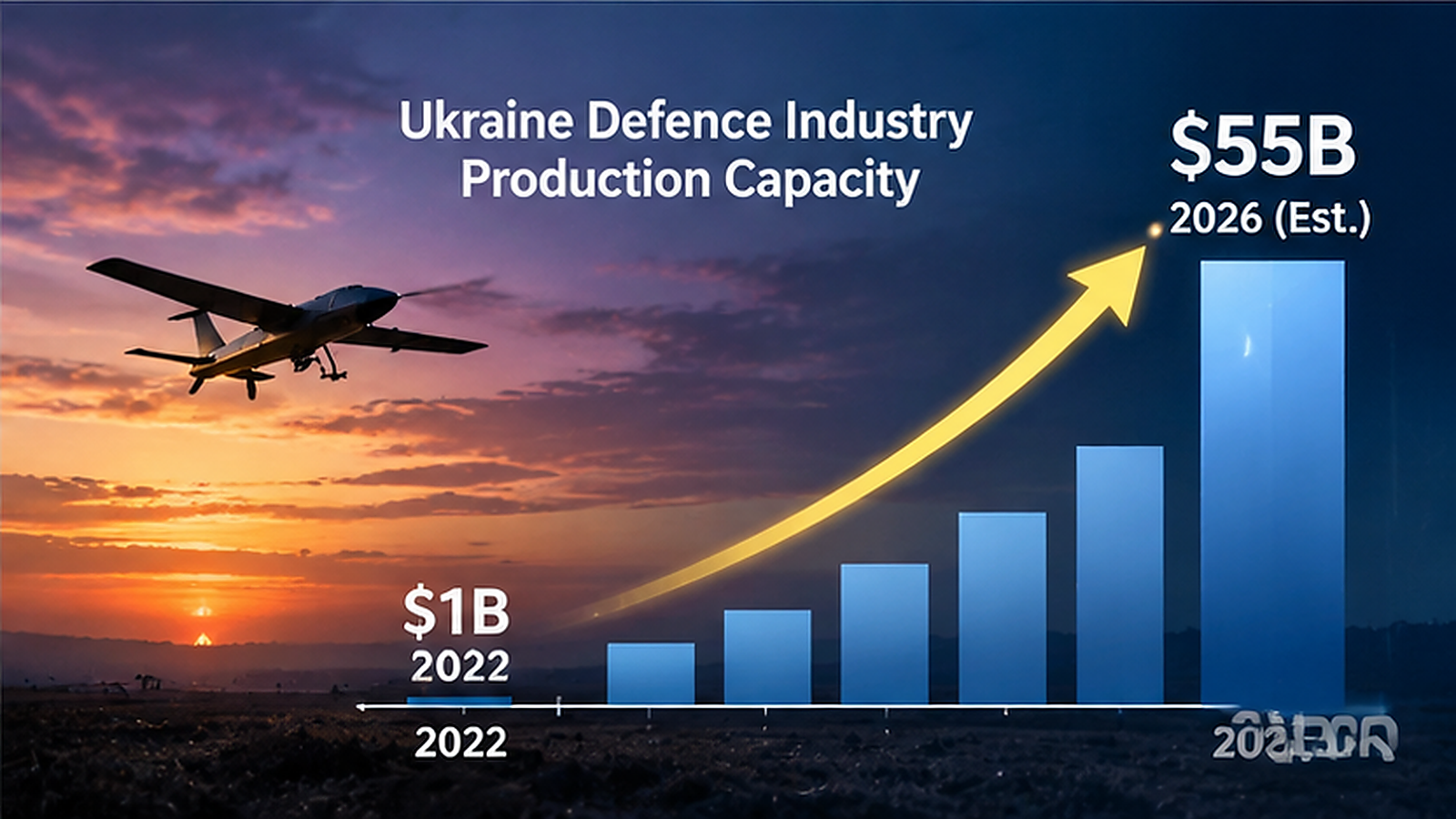
The development of Ukraine’s defence industry provides a case worth examining.
According to figures released by Ukrainian officials, the country’s annual defence-industrial production capacity increased from approximately US$1 billion in the early stages of the full-scale war in 2022 to a projected US$55 billion in 2026.
This figure represents potential annual production capacity, not actual annual output. Nevertheless, an expansion of this scale demonstrates that Ukraine has developed a defence production system far larger than the one it possessed before the war.
Numerous private companies, engineering teams, and startups have participated in this development, alongside government procurement, international funding, and the demands of the battlefield.
Technological innovation, industrial expansion, and organisational adaptation have reinforced one another, allowing Ukraine to convert battlefield experience into new equipment and operational capabilities more rapidly.
This does not, by itself, prove that Ukraine innovates faster than Russia in every technological field. However, it illustrates an important potential institutional advantage:
When a country can fully mobilise the independent innovative capacity of its businesses and connect market competition directly with battlefield requirements, limited resources may generate significantly greater technological results.
Over a war lasting several years, such differences in efficiency may become more important than any single advanced weapon.
Battlefield Victory and Political Victory Are Not the Same
The side that innovates faster is more likely to gain an advantage on the battlefield.
But this does not mean it will necessarily win the war as a whole.
The political outcome of a war also depends on national strategy, economic endurance, public willingness to continue fighting, international support, and the conditions under which negotiations take place.
Technological superiority on the battlefield can change the military balance, but it cannot independently determine the final political outcome.
The Russia–Ukraine war also demonstrates that technological competition does not stop simply because one side temporarily gains an advantage. As long as the war continues, both sides will continue learning, adapting, and committing resources.
The decisive competition on future battlefields will not be about who possesses the most advanced weapons today, but who can identify problems, complete research and development, expand production, and convert the next generation of technology into operational capabilities the fastest.
Whoever innovates faster will have the greater opportunity to win the next phase of the battle.