


Introduction
Military technology is advancing along two seemingly opposite paths: increasingly compact intelligent devices and powerful conventional fire systems. Neither miniaturisation nor maximum destructive power guarantees military effectiveness. The central question is whether a force can afford, maintain, replace and sustain the equipment it needs.
1. The Value and Limits of Miniaturisation
Smaller equipment can make deployment more flexible and increase the number of sensors or platforms carried by a given transport system. Consider satellites: if a satellite could be reduced to one-tenth of its original volume while retaining comparable computing, communications and mission capability, more units might fit within the same launch volume. Actual launch capacity would still depend on mass, deployment hardware, power and other constraints.
The same principle applies to reconnaissance drones and distributed sensors. Yet extreme miniaturisation can make energy storage, communications, optics, mechanical design and manufacturing more demanding. The right size is the size that meets the mission—not necessarily the smallest size technically possible.
2. Black Hornet and the Cost of Extreme Miniaturisation
The PD-100 Black Hornet illustrates both the promise and expense of nano-scale reconnaissance systems. Its tiny airframe offers capabilities that conventional, larger drones cannot simply duplicate. Publicly reported prices for Black Hornet packages have varied substantially, often referring to complete systems rather than an individual aircraft.
By contrast, some widely used Ukrainian first-person-view (FPV) drones have been produced at prices measured in hundreds of US dollars per aircraft. These are not like-for-like products: their sensors, endurance, roles, support equipment and operating characteristics differ. Ukraine has used both specialised Black Hornet systems and much cheaper drones.
The economic question is therefore not which device is smaller, but whether the additional capability justifies its full procurement, training, maintenance and replacement costs. A specialised premium system may be appropriate for selected missions without being the economical default for mass deployment.

3. Battlefield Transparency Is Not Victory
Satellites, drones and sensor networks can make battlefield activity increasingly visible. But knowing where opposing forces are does not automatically provide the means to influence events.
Even if one side has exceptionally clear battlefield awareness, it can still lose if it lacks sufficient effective striking power. If its artillery, aircraft, missiles and other means of action have been destroyed or exhausted, intelligence alone cannot reliably deliver battlefield results. Conversely, abundant firepower without dependable reconnaissance and command can lead to wasted resources and poor outcomes.
Reconnaissance supplies information; effective forces turn information into action; industrial production and logistics determine how long the system can function.
4. Massed Firepower and Precision Weapons
Russian military practice is often associated with large-scale artillery, missile strikes, glide bombs and sustained firepower. Western military development has placed considerable emphasis on precision guidance, advanced sensors and sophisticated platforms. These are tendencies, not absolute distinctions: both approaches employ precision weapons and conventional massed fires.
Precision can reduce the number of munitions needed for some missions and help limit unintended harm. Yet sophisticated weapons may be expensive or difficult to replenish quickly. Mass-produced conventional munitions can support sustained operations but create their own demands for transport, storage, accuracy and logistics.
Neither precision nor volume should be treated as an ideology or a universal answer. Their value depends on mission effectiveness, available stockpiles, industrial capacity and the total cost of sustained operations.
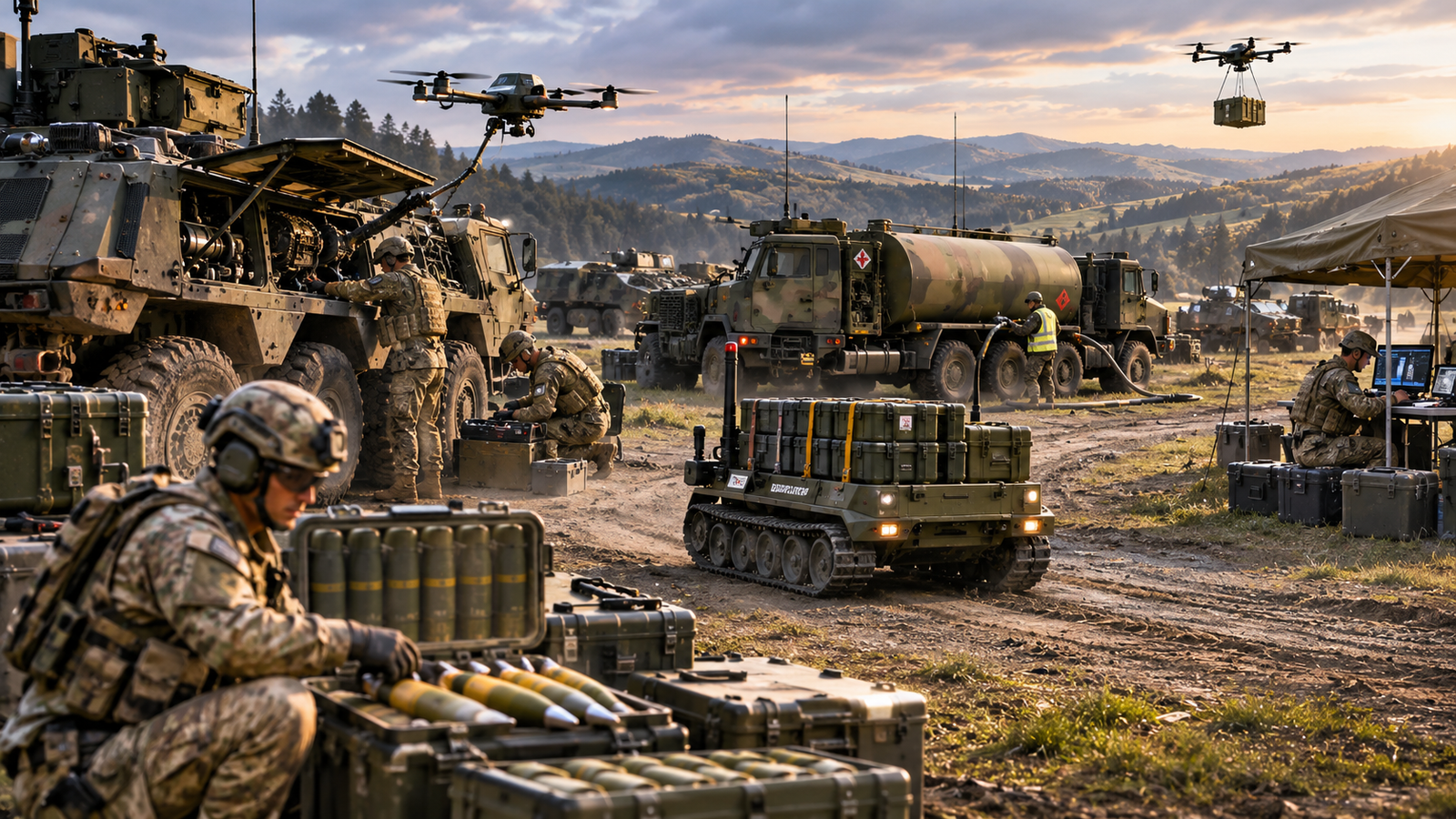
5. The Economic Trap of Extreme Performance
Military procurement can become fixated on individual specifications: smaller dimensions, greater precision, more elaborate electronics or superior performance in ideal conditions. But an incremental performance gain may not justify a disproportionate increase in cost, maintenance or manufacturing time.
The relevant cost is not merely the purchase price. It includes training, spare parts, infrastructure, operating expenses and wartime replacement. Cheap equipment that fails to complete its mission may also be poor value. The meaningful comparison is the total cost of achieving a required result reliably.
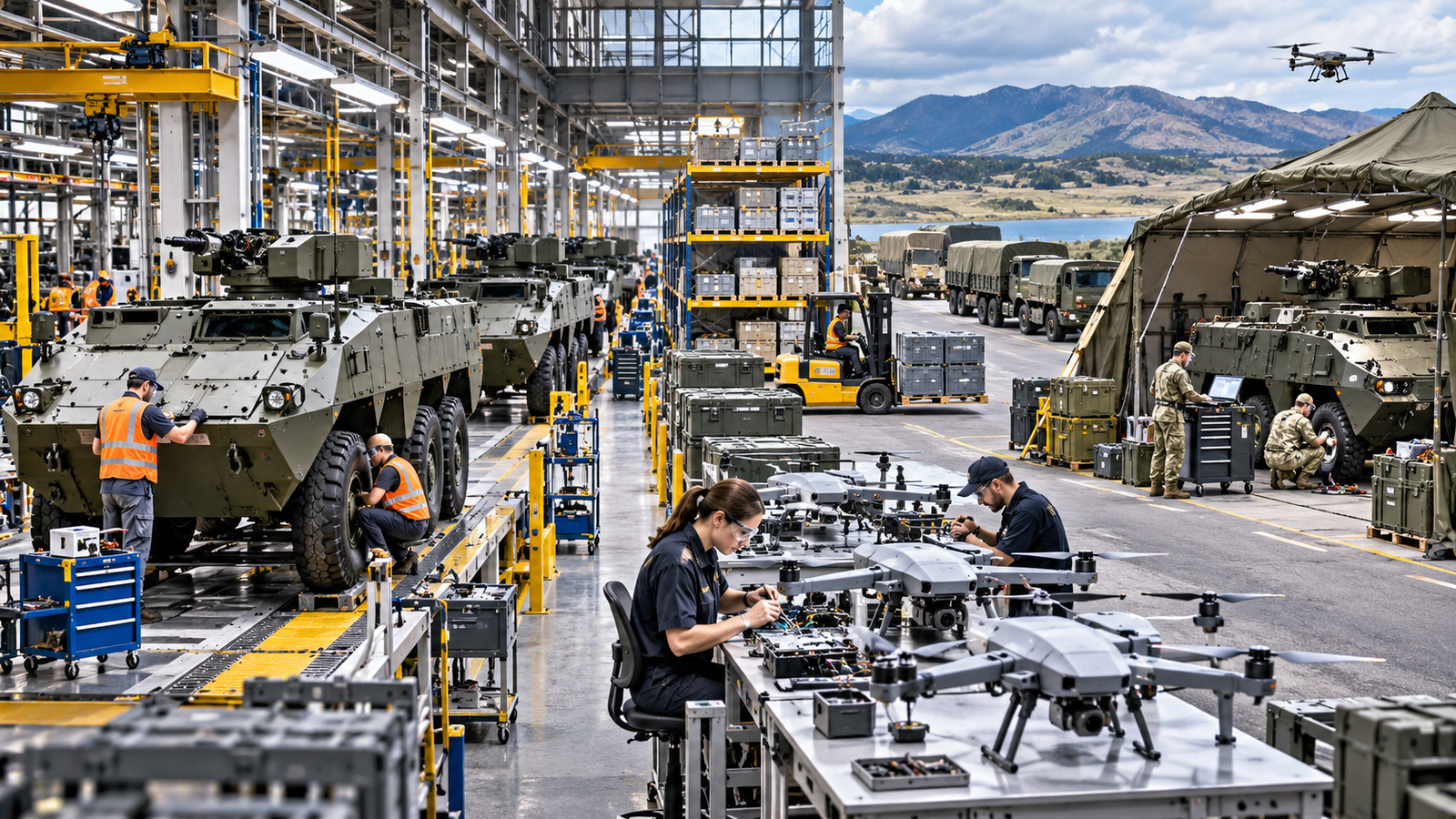
6. Appropriate Technology and Sustainable Capability
A reconnaissance device should be compact enough to perform its mission, without sacrificing reliability and affordability merely to set a size record. Precision weapons should meet actual requirements without pursuing marginal gains at any price. Conventional fire systems must be evaluated alongside ammunition production, replenishment and logistics.
Large platforms, small intelligent devices, precision systems and conventional firepower will continue to serve different purposes. A balanced force should optimise their combined effectiveness rather than maximise any single specification.
Conclusion: Affordable to Buy, Maintain and Sustain
War tests industrial production, economic capacity and the ability to sustain operations—not only technological sophistication. Superior reconnaissance cannot substitute for the absence of effective forces; a remarkable weapon cannot sustain a campaign if it cannot be purchased, maintained or replaced in sufficient numbers.
The most advanced equipment is not automatically the most suitable. The better strategy is to acquire systems that reliably meet their missions at a sustainable total cost.
Affordable to buy. Affordable to maintain. Affordable to operate and replace. That is the foundation of a sustainable equipment strategy.